
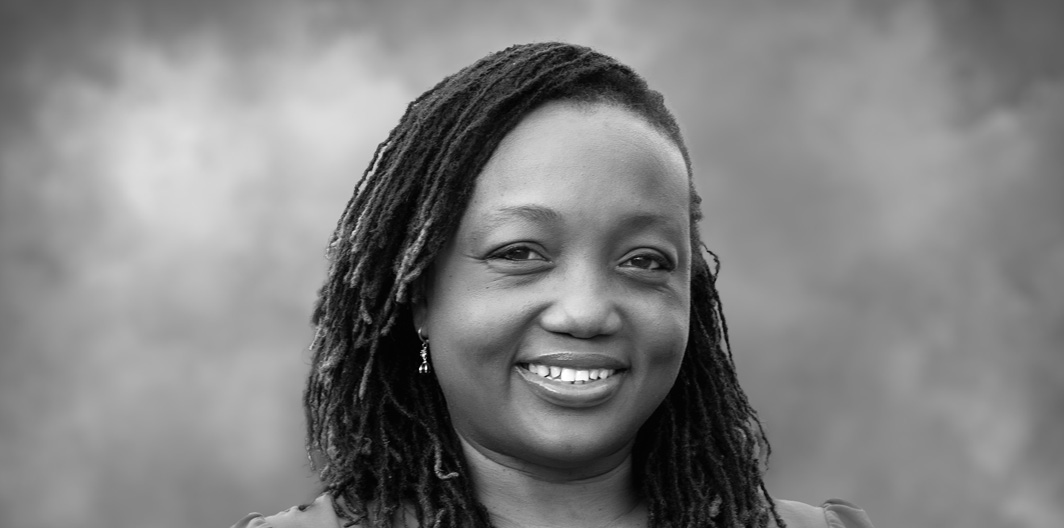

Why was I interested in interviewing Jewel? She is a Trinidad and Tobago–born humanitarian professional and former senior official with the International Organization for Migration (IOM). She served as Country Representative (Chief of Mission) in Timor-Leste, where she led migration governance, humanitarian response, and development-oriented mobility programs. Before this, she headed the IOM office in Trinidad and Tobago, working on issues such as human trafficking, migrant protection, and regional migration policy. Jewel is known for her trajectory from a rural village in Moruga to senior leadership within the UN system, combining operational field experience with policy-level engagement across regions. Her career reflects a strong focus on institutional capacity-building, protection of vulnerable migrants, and linking migration to broader development strategies.
This interview is particularly compelling because it bridges high-level migration policy with deeply personal leadership experience. It does not simply describe technical frameworks—such as climate mobility, labour migration, or diaspora engagement—but reveals how these are implemented under real constraints: limited funding, political sensitivities, and fragile institutional environments. At the same time, the narrative is unusually candid about leadership under pressure, including managing mass layoffs, mental health strain, and ethical responsibility toward staff and beneficiaries. What makes the interview stand out is this dual lens: it is both a strategic reflection on global migration governance and an intimate account of resilience, values, and identity, showing how large-scale systems ultimately depend on human judgment, empathy, and perseverance.
Here’s our exchange:
Where are you originally from, and what aspects of your childhood there most shaped who you are today?
I am from Fifth Company Village, Indian Walk, Moruga—a small rural community in southern Trinidad. My grandfather, Herman Sambury, came here as part of the Fifth Company of soldiers who fought in the War of 1812. They were granted 16 acres of land by the Queen, and many years later, this is where I grew up and spent most of my life.
My parents were the most decisive influence in shaping who I am today. My mother is a dedicated, hardworking, and incredibly intelligent homemaker, and my father is highly ambitious—he worked tirelessly across several jobs to provide for us. Everyone around us was poor, so I did not realize we were poor until I went to secondary school.
My parents sacrificed and invested heavily in the education of my older sister, my brother, and myself. We planted peas and corn, sold fruits, and my father worked in an oil company as a technician, did gardening, and drove a taxi at night. My mother could stretch a dollar and make something out of nothing, often helping other struggling families by opening her home to nieces and nephews without expecting anything in return.
I also attended Cowen Hamilton Secondary School, where, for the first time, I learned about the history of my community—my own history.
How would you describe your family environment growing up, and who were the most influential figures in your early life?
I grew up on 16 acres of land surrounded by family. In addition to my parents, I lived with my brother and sister, who are five and six years older than me. They were excellent students, especially within our community, so I felt a strong pressure to meet the standards they set.
My maternal grandparents were also highly influential. My grandfather owned a furniture shop and was known for his exceptional craftsmanship—people came from all over the country to buy his hand-carved pieces. I remember him constantly working in his shop. He was also something of a traditional healer, helping people with ailments. At the same time, he lived well and enjoyed life.
My grandmother came from a line of Baptist pastors. She was a refined and elegant woman who treated everyday life with a sense of dignity and care—preparing meals beautifully, maintaining a lovely home filled with perfumes and powders, and remaining deeply connected to her faith.
Together, they were deeply loved by the entire community. There was always food available, and they were constantly helping others. My parents, grandparents, and extended family were the central influences in my upbringing.
Were there particular family or cultural traditions that played a lasting role in shaping your values or worldview?
My father believed strongly in hard work—planting your own food, taking on multiple jobs, and helping others. My mother was careful and resourceful with money, always ensuring that what we had would last.
Although my father was not religious, he is the kindest person I know. He owned one of the few cars in the neighbourhood and would take people to the hospital late at night, even in heavy rain, whether or not they could pay. He would help anyone in need, at any time. He was generous to a fault.
We were encouraged to work, to save, and even to sell vegetables from the car around the village. This shaped my belief that your life is influenced by the effort you put in—and by how many people you help along the way.
My mother would give away groceries to those in need, even when we had very little ourselves. From this, I developed a strong belief that you have agency over your life. Ultimately, your story is not determined by others, but by your choices and your faith.
What initially drew you to the field you chose to study, and was there a moment when you realized it was the right path for you?
I studied business because I always envisioned myself owning or managing a business. As a child, I organized annual events such as Easter hunts and fashion shows, selling tickets in the community. My father would build a stage under a plum tree, complete with a changing area, and my mother would prepare snacks to sell during the shows. This continued for several years.
I studied business at Cowen Hamilton Secondary School and later received a partial scholarship to pursue business management at the University of the West Indies, St. Augustine Campus. I also took courses in social development and economics, where I was introduced to Caribbean scholars such as Sir Arthur Lewis, Lloyd Best, and Norman Girvan. I even had the opportunity to study under the late Professor Dennis Pantin.
After spending two years in the UK, I returned home and secured my first UN role as a research assistant at the Economic Commission for Latin America and the Caribbean (ECLAC), working in the social development unit. Strong recommendations from that experience later helped me secure a role at IOM when it established its office in Trinidad and Tobago.
I cannot say I had a clear, strategic plan. I worked hard, earned recommendations, and benefited from opportunities that came my way. I have always been comfortable managing complex situations and working under pressure—the more intense the environment, the calmer I become.
At what age did you begin working, and what did your first job teach you about responsibility or independence?
I started earning money very early—around age eight—through organizing events like concerts and fashion shows. After completing my CXC exams at 16, I began offering private tutoring.
Throughout university and beyond, I worked multiple jobs simultaneously: teaching, tutoring, assisting lecturers with research, and later working abroad in the UK as a data entry clerk and research assistant. When I returned home, I continued as a research assistant and consultant, including rapporteuring for meetings and events, at a time when jobs were scarce.
What I learned early on is that my life is ultimately my responsibility. No employer, colleague, or external factor determines my path—it is shaped by my own decisions and my faith. I have always believed in setting goals, speaking them into existence, and working toward them.
As a teenager, I remember passing the UN buildings on Chancery Lane and telling my parents, “I will work there one day.” Years later, I did—first at ECLAC, and later for over a decade at IOM.
I am now also exploring opportunities in holistic health and considering entrepreneurship.
How would you describe your current professional role, and what aspects of it do you find most meaningful?
My current role is both challenging and rewarding, pushing me to grow while learning to use limited resources effectively. It has strengthened my emotional intelligence, my ability to navigate workplace challenges, and my capacity to deliver difficult messages.
I value direct engagement with beneficiaries, particularly in remote communities, and collaboration with dedicated counterparts such as law enforcement officers. Genuine consultation and co-created solutions are central to my work.
My role also involves engaging with projects across their full lifecycle, sometimes beyond their formal duration, and mentoring younger staff to foster a supportive and productive environment.
As Chief, I aim to cultivate a workplace that values work-life balance, mental health, and open communication.
How do you navigate the operational tension between humanitarian immediacy and long-term migration governance in Timor-Leste, where institutional capacity building often unfolds more slowly than displacement pressures evolve?
Active listening is essential—leaders often express hesitation or disagreement indirectly. Understanding these signals is key.
I prioritize focus over multitasking, share resources openly, and welcome feedback. It is important not to try to do everything at once or alone.
Collaboration is critical. Building strong networks with local and international partners, and sharing both credit and visibility, allows for more sustainable success.
Recognizing team achievements, maintaining perspective, and fostering trust—especially across cultural differences—are also vital. Above all, I believe in acting with integrity and humility.
In a country shaped by post-conflict recovery, how do you ensure migration programming strengthens state legitimacy rather than inadvertently substituting for it?
Understanding history, culture, and the long-term impacts of conflict is essential. Cultural orientation should be a priority for all staff to ensure consistency and informed engagement.
I commit fully to my responsibilities by actively participating in meetings, workshops, and capacity-building initiatives, including training and mentoring. When I cannot attend, I ensure proper delegation.
Training should follow thorough assessments, and project design must prioritize sustainability, including clear handover processes and long-term investment planning.
What structural vulnerabilities within Timor-Leste’s labor migration systems most concern you, particularly regarding worker protection in overseas employment corridors?
Timor-Leste is a small island state with a large youth population, but also high unemployment. This creates pressure on migration systems.
A key question is whether mobility can be structured as a system of skills circulation rather than one-way migration that leads to brain drain. This requires ethical recruitment, skills recognition, and reintegration pathways that allow returnees to contribute to national development.
Remittances should also be directed toward productive investment, such as infrastructure, technology, and research.
Stronger legislation alone is not sufficient. A comprehensive approach is needed—one that addresses exploitation, trafficking, and irregular migration, and ensures coordination across border management, labor, justice, and social protection systems.
These challenges are not unique to Timor-Leste, and regional cooperation—particularly within ASEAN—offers important opportunities for shared learning.
How do you balance the promotion of safe labor mobility with the risk of brain drain in a small island state already facing human capital constraints?
In a context with limited domestic opportunities, how mobility is managed becomes critical. Well-designed migration systems can function as mechanisms for skills circulation rather than permanent loss.
The focus should be on enabling returnees to translate international experience into domestic value. At the same time, remittances should support productive investment.
Ethical recruitment must be a shared priority across countries. When managed properly, mobility can strengthen, rather than weaken, national capacity.
In coordinating with government ministries, where do you encounter the greatest friction between national sovereignty sensitivities and international migration management frameworks?
International frameworks should be enabling, not prescriptive. Implementers must take the time to understand local culture, history, and institutional dynamics, and demonstrate respect for national leadership.
There must be a genuine commitment to long-term engagement and co-development, rather than a focus on short-term outputs for reporting purposes.
Without meaningful investment in skills transfer, institutional sustainability, and behavioural change, interventions risk ending when projects conclude rather than producing lasting impact.
Ultimately, it is not about imposing frameworks—it is about how they are implemented and whether they respect context.
Climate vulnerability is increasingly central to mobility in the Pacific; how is IOM in Dili integrating anticipatory displacement planning into national policy rather than reacting to crises after they occur?
Climate-related mobility must be anticipated, not managed only after a crisis occurs.
It cannot be treated as an episodic humanitarian issue. In Timor-Leste, IOM has worked to embed anticipatory approaches within national disaster risk management and development frameworks. This includes linking early warning systems, community preparedness, land-use planning, and migration policy. The objective is to reduce forced displacement by strengthening resilience, and to ensure that when movement does occur, it is safe, voluntary, dignified, and planned rather than reactive.
Disaster preparedness efforts have therefore focused on strengthening communities, institutions, and infrastructure simultaneously. Communities have been trained in community-based disaster risk management and camp coordination, and disaster committees have been strengthened across 37 villages. Gender-sensitive measures have also been integrated to reduce vulnerability during emergencies.
At the national level, support has been provided to finalize the National Disaster Risk Management Strategy, aligned with the Sendai Framework and ASEAN mechanisms. This includes contingency planning and the pre-positioning of emergency supplies. Preparedness has also been reinforced through early warning systems, solar-powered emergency facilities, and the rehabilitation of evacuation centres and health facilities to ensure climate-resilient and inclusive response capacity.
Timor-Leste’s diaspora represents both an economic lifeline and a governance challenge; how should remittance dependency be balanced with sustainable domestic development?
Remittances are one of Timor-Leste’s most significant sources of income, second only to oil and gas, and they play a critical role in sustaining households. Timorese nationals abroad—primarily in Australia, the Republic of Korea, the United Kingdom, Portugal, Ireland, New Zealand, and the United States—continue to support families at home, with remittances commonly used for health, education, and daily needs.
However, available data show that remittance flows are unevenly distributed, and many households become highly dependent on them. This raises an important policy question: how to move from reliance on remittances as household income toward structured diaspora engagement that supports long-term development.
IOM has contributed to national policy responses that reflect this shift. Timor-Leste has adopted a National Diaspora Engagement Policy and a Remittance Mobilization Strategy, recognizing the diaspora not only as financial contributors but also as sources of skills, knowledge, networks, and investment. The focus is on enabling skills transfer, supporting diaspora-linked investment, improving financial literacy, and strengthening trust-based engagement with communities abroad.
The balance lies in acknowledging that remittances sustain households, while diaspora engagement can sustain long-term development.
In your engagement with local communities, how do you address the perception that migration is the only viable pathway to socioeconomic mobility?
Migration aspirations in Timor-Leste often reflect limited domestic opportunities rather than a rejection of the country itself. National migration analysis shows that employment, education, and access to services are among the primary drivers of migration, both internally and internationally.
This underscores the importance of engagement strategies based on informed choice. Migration is presented as one option among several—not as a problem to be discouraged, nor as a universal solution.
Community engagement therefore links migration messaging with livelihoods, skills development, and local economic initiatives. At the same time, it remains transparent about the risks associated with unsafe or irregular migration pathways.
National policy responses reinforce this approach by situating migration within broader development frameworks—recognizing the role of labour mobility while investing in employment creation, skills transfer, and diaspora engagement to expand opportunities within the country.
Data gaps remain a major obstacle in migration governance; how are you strengthening national data systems without imposing external methodological models that may not align with local realities?
One key example is the Migration Information and Data Analysis System (MIDAS), which has been deployed at major border crossing points and at Migration Services headquarters. MIDAS supports automated border processes, traveller screening, and migration data analysis, enabling policy-relevant reporting while ensuring that national authorities retain ownership of data collection and analysis.
Importantly, the system is operated by government institutions and supported through national standard operating procedures and capacity-building, rather than through parallel structures.
A newly launched project is expanding MIDAS to additional land, sea, and air border points. This includes customization to ensure interoperability with the national passport database, the development of maintenance and disaster recovery plans, and targeted training for Migration Services officers in system administration, data analysis, and reporting.
At the community level, data is also used to support preparedness. Tools such as displacement tracking and scenario-based exercises help communities and authorities better understand mobility patterns linked to disasters and inform local planning.
The objective is to ensure that data systems are sustainable, trusted, and fully embedded within national institutions.
How do you ensure that migrant return and reintegration programs move beyond short-term assistance into durable socioeconomic inclusion?
Ensuring durable reintegration requires moving beyond one-off assistance and embedding return within broader national systems and development frameworks.
In Timor-Leste, IOM’s work has focused on linking return support to institutional processes, livelihoods, and long-term policy responses. This includes supporting the voluntary return and reintegration of over 200 Timorese migrants, including those who were trafficked or stranded abroad, while also assisting more than 250 migrants of different nationalities within existing national frameworks.
Reintegration is further addressed through policy measures such as the National Diaspora Engagement Policy and the Remittance Mobilization Strategy, which emphasize skills transfer, financial literacy, and economic participation alongside financial support.
The emphasis is on systems rather than projects. Durable reintegration is achieved when returnees can access livelihoods, services, and opportunities on equal terms with others, and when national institutions are equipped to sustain support beyond individual project cycles.
In humanitarian evacuation or crisis response scenarios, what logistical and diplomatic constraints are most underestimated by external observers?
One of the most underestimated constraints is institutional coordination, particularly in contexts where disaster management systems are still evolving. In Timor-Leste, effective response depends on coordination among national authorities, municipal and village-level committees, humanitarian partners, and social service systems. Changes in leadership, evolving mandates, or delays in formalizing coordination structures can slow decision-making, even when technical capacity exists.
Logistically, last-mile delivery is often overlooked. Many vulnerable communities are located in remote or hard-to-reach areas, where infrastructure limitations affect evacuation routes, communication, and aid delivery. Evacuation centres may exist, but assessments often reveal gaps in accessibility, protection, water and sanitation, and inclusivity for vulnerable groups.
Another key challenge is information management. Effective response depends on timely, disaggregated data. When systems, procedures, or trained personnel are still being strengthened, data gaps can limit the speed and precision of response.
From a diplomatic perspective, coordination across sectors—such as protection, health, migration, and disaster management—is complex. Referral systems for gender-based violence, child protection, and trafficking must remain functional during crises, requiring pre-established agreements and sustained coordination.
Regional and cross-border dynamics add further complexity, requiring diplomatic engagement with neighbouring countries and regional platforms.
How do you approach youth migration aspirations in a context where demographic pressure intersects with limited domestic employment generation?
Youth migration in Timor-Leste reflects both aspiration and constraint. On one hand, young people seek education, skills, and opportunities. On the other, limited domestic employment and access to services drive migration decisions.
The policy challenge is not to suppress aspiration, but to expand choice. Migration should be one option among many, not the only viable pathway.
Community engagement and national policies therefore focus on informed decision-making, linking migration to broader strategies such as skills development, livelihoods, and local economic initiatives. At the same time, they address the risks associated with irregular migration.
At the policy level, this approach is reinforced through labour mobility and diaspora engagement frameworks that integrate migration into national development planning. The goal is to ensure that migration decisions are informed, voluntary, and aligned with both individual aspirations and national priorities.
Partnerships with NGOs and UN agencies are central to IOM’s work; how do you prevent coordination fatigue while maintaining operational coherence?
Preventing coordination fatigue begins with recognizing that coordination is only effective when it is purpose-driven and anchored in existing systems. In Timor-Leste, IOM has deliberately worked through nationally led coordination mechanisms—particularly those led by the Civil Protection Authority and relevant line ministries—rather than creating parallel structures. This ensures that partners engage through forums that already have mandates, legitimacy, and continuity, thereby reducing duplication and unnecessary meetings.
Operational coherence is reinforced through clearly defined roles, validated standard operating procedures, and agreed referral pathways, particularly in areas such as evacuation management, protection in emergencies, displacement tracking, and information management. These shared frameworks enable partners to act quickly and consistently without renegotiating responsibilities during each crisis.
At the community level, coordination is channeled through municipal and village disaster management committees. This provides a structured interface between communities, government institutions, NGOs, and UN agencies, helping to avoid fragmented engagement.
Looking ahead, what structural transformation must occur within Timor-Leste’s migration governance architecture for mobility to function as a development driver rather than a coping mechanism?
For migration to function as a driver of development rather than a short-term coping mechanism, Timor-Leste’s governance framework must continue evolving toward more integrated, government-led approaches that connect mobility with labour, education, data systems, and broader development planning.
Encouragingly, key foundations are already in place, including the National Diaspora Engagement Policy, the Remittance Mobilization Strategy, strengthened border and data systems, and a growing emphasis on regulated labour mobility and skills development.
The next phase requires greater institutional coherence—ensuring that migration data informs employment planning, that skills development aligns with both domestic and international labour demand, and that return, diaspora engagement, and labour mobility are approached as interconnected policy areas.
When governance systems support informed migration decisions, protect individuals, and intentionally link mobility to skills, investment, and national priorities, migration can become a structured driver of long-term socioeconomic transformation rather than a response to constraint.
Has there been a book, film, or work of art that significantly influenced the way you see the world or think about your work?
Jim Rohn’s work has had a strong influence on me. I believe in dreaming big, writing down goals, and maintaining a positive mindset. Every morning and night, I intentionally shape my day by setting clear intentions and reflecting with purpose.
I approach opportunities with confidence rather than desperation, applying only for roles that align with my goals and offer growth. To me, the greatest value in life lies in who you become—personal transformation matters more than simply achieving goals.
I live by the idea that you either run the day or the day runs you. Balancing professional and personal responsibilities requires continuous effort, and I work harder on myself than on my job because self-improvement fuels success. Instead of wishing life were easier, I focus on becoming stronger and more adaptable, trusting that growth comes through challenge.
Looking at younger generations today, what gives you the greatest sense of hope, and what concerns you the most?
What gives me hope is the way younger generations prioritize mental health and set boundaries. It is admirable. Many of us could have avoided significant stress and emotional strain if we had learned earlier how to establish boundaries in both personal and professional relationships. It allows for a more balanced and fulfilling life.
What concerns me most is the increasing reliance on technology at the expense of genuine human connection. Sometimes, even within my own family, communication becomes fragmented—I find myself speaking into what feels like a monologue, receiving only a shared link or short response in return.
I worry that excessive attachment to virtual spaces may lead to a loss of presence in real life—of meaningful interaction, awareness of one’s surroundings, and the ability to engage deeply with others. Some young people struggle with basic social interaction or even simple navigation without digital assistance. That disconnection from the immediate world is concerning.
If you could spend a full day with any historical figure, who would you choose, and what questions would you want to ask them?
I would choose Madam C.J. Walker. To have been an influential and successful entrepreneur and philanthropist as a Black woman in that era is extraordinary.
She represents the possibility of building success on one’s own terms, despite systemic barriers, and using that success to uplift others with dignity through work. To challenge societal norms and create financial independence in such a context is, to me, the ultimate form of freedom.
As an aspiring entrepreneur, I would ask her how she scaled her business and approached marketing. I would want to understand how she maintained focus during difficult times, how she navigated challenges, and how her success affected her personal relationships. I would also ask whether, in the end, she felt it was all worth it.
If you were asked to teach a class on a subject completely unrelated to your profession, what would it be, and what would you hope students take away from it?
I would teach a class on self-talk and self-care. While I am not an expert, I believe these are essential skills.
I teach my children that they should never speak negatively about themselves. Words are powerful—they shape how we see ourselves and the world. Throughout my life, I have seen how speaking intentions into existence can influence outcomes.
I would want students to leave the class believing that they are worthy, capable, and deserving of love, forgiveness, and new beginnings. I would encourage them to practice positive self-talk, recognize negative patterns, and learn how to reframe them.
I would also emphasize the importance of protecting one’s peace—even if that means letting go of relationships that are harmful or limiting. Ultimately, I would want them to feel empowered to pursue their highest potential.
If you could ensure that one human value is never lost in society, which value would you choose, and why?
Self-determination is a value that strongly aligns with my principles. I believe that when individuals are empowered to pursue their goals, our role is to provide guidance rather than impose direction.
In my professional role, I prioritize understanding the aspirations of my team and aligning responsibilities with their interests and goals. This creates a more motivated and effective environment.
At a societal level, self-determination fosters innovation, progress, and meaningful solutions. While it must be exercised responsibly and without harm to others, it remains one of the most powerful drivers of human development.
Humanity is facing radical changes. To name just ten: geopolitical instability, climate change, economic inequalities, technological risks, public health challenges, political polarization, resource scarcity, humanitarian crises, misinformation, and disparities in global healthcare access. If, in an imaginative exercise, you had the power to solve one of these problems, which one would you choose first and why?
I would choose economic inequality, because it underlies many of the other challenges we face.
Inequality in access to resources drives conflict, limits opportunity, and fuels disparities across health, education, and political participation. It creates the conditions for polarization and misinformation, and shapes who has power and who does not.
Economic inequality is also reflected in unequal application of rules—whether at the individual, national, or global level.
As Bob Marley expressed in War, lasting peace remains an illusion until basic human rights are equally guaranteed to all. If we are not serious about equality and respect, we are not serious about solving any of our global challenges.
What do you believe human beings owe one another, both as individuals and as members of a global society?
Consideration. Treating others with kindness and acknowledging their dignity, rights, and feelings—even when we disagree—goes a long way.
I also value empathy and respect. At the same time, it is important to maintain boundaries. One can be kind and respectful while choosing to limit access to those who repeatedly disregard those boundaries.
As leaders and individuals, we should be measured by how we treat others. As the Bible reminds us: “Above all else, guard your heart, for everything you do flows from it.”
Interviews often focus on successes. Could you share something from 2025 that did not unfold as you expected, and what that experience taught you?
2025 was one of the most challenging periods of my life. It was my first international assignment, my first time working in Asia, and within six months, the mission lost over 70% of its funding and more than 90% of its project staff.
The impact on beneficiaries was severe, but the human impact on staff was equally profound. I had to make incredibly difficult decisions, including letting go of colleagues who had dedicated decades to the organization.
Despite the uncertainty, I continued to show up—engaging with partners, advocating for the mission, and supporting staff through practical measures such as CV workshops, counseling support, and redeployment opportunities. I also relied heavily on my personal and professional support networks, and sought professional mental health support.
This experience taught me resilience, humility, and the importance of community. It showed me that in moments of crisis, I become calmer and more focused. It also reminded me that leadership is not about having all the answers, but about showing up with honesty, compassion, and determination.
Above all, it taught me that who you become through hardship is more valuable than any outcome.
Are there any personal or professional goals you feel comfortable sharing for 2026?
I aim to continue making a meaningful impact as a humanitarian professional, whether in Africa, Europe, or the Caribbean. I am open to opportunities that offer both professional and personal growth.
I also want to explore my entrepreneurial side and build on my family’s legacy, which traces back to the Meriken freedom fighters. Preserving that history and ensuring it continues for future generations is deeply important to me.
When you imagine the final moments of your life, what kind of news would you most hope to hear, and why?
I would hope to hear of true self-determination and unity for Africa and people of African descent worldwide. As an Afro-Caribbean, I feel deeply connected to the continent and its future.
I would want to know that Africans and their descendants are moving through the world with dignity, respect, and equal opportunity. That would be a moment of profound peace.